+233 303944030

Fort William: A Historic Beacon Overlooking Cape Coast

Fort William is sited on Dawson's Hill in Cape Coast.

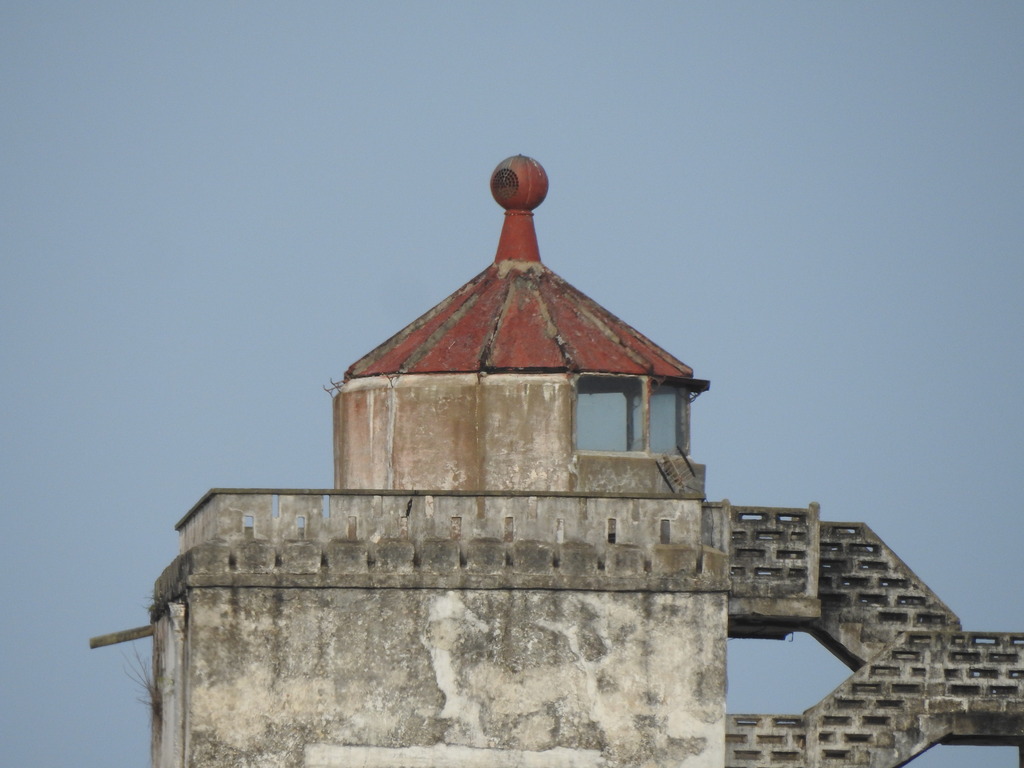
Perched on a hilltop in the heart of Cape Coast, Ghana, Fort William stands as a quiet yet commanding reminder of the regionโ€™s colonial past and strategic significance along the West African coast. Offering sweeping panoramic views over the town and the Atlantic Ocean, the fort has served multiple purposes over its two-century historyโ€”from a military lookout to a navigational aid, and now, a historical landmark.

The origins of Fort William date back to 1819โ€“1820, when the British constructed a modest defensive structure known as Smithโ€™s Tower. Built from mud and local stone, it was one of several smaller outposts designed to monitor the coastline and protect British interests, including the heavily trafficked Cape Coast Castle just below. At the time, Cape Coast was a major hub of British colonial activity on the Gold Coast, and the presence of lookout points like Smithโ€™s Tower helped to secure both trade routes and military intelligence.

๐Ÿ‡ฌ๐Ÿ‡ญ Ghana3d.com Gateway Experience 360

Find your roots and rise โ€” Ghana3d.com Gateway Experience 360 is your ultimate guide to cultural, historic, and soul-stirring adventures. Whether you're returning to your ancestral land or exploring Ghana for the first time, we offer curated journeys that connect you deeply to the spirit of West Africa. From powerful walks through Cape Coast & Elmina slave castles to the vibrant rhythms of Accraโ€™s nightlife. From sacred village ceremonies to awe-inspiring natural beauty โ€” your journey starts here.

  • โœ” Instant Confirmation
  • โœ” Free Cancellation
  • โœ” Best Price Guarantee
    You'll receive a full refund if you cancel at least 24 hours in advance of most experiences.
Explore The Full ๐Ÿ‡ฌ๐Ÿ‡ญ Gateway Experience 360

In 1820, the structure was rebuilt and renamed Fort William, gaining more permanent features and serving as a lookout post and lighthouse. Its elevated position made it ideal for signaling incoming ships and helping vessels safely navigate the dangerous rocks and unpredictable currents off the coast. For many years, Fort Williamโ€™s lighthouse provided guidance for merchant ships involved in both legitimate trade and, tragically, the transatlantic slave trade, for which Cape Coast Castle was a major departure point.


(c) Remo Kurka photography

Though smaller and less imposing than the regionโ€™s better-known castles and forts, Fort William played a vital supporting role in the British colonial system. It complemented the coastal defenses and helped establish visual communication between forts and trading posts along the shoreline.


Today, Fort William stands as a testament to the layered history of Cape Coastโ€”a town shaped by indigenous cultures, European colonization, and the enduring legacy of resistance and resilience.

While no longer operational as a lighthouse, the fort is now open to visitors, offering not only stunning views of the coastline but also a space for reflection on Ghanaโ€™s maritime and colonial history.

Its hilltop location makes it a peaceful yet powerful destination for those exploring the historical landscape of Cape Coastโ€”a place where the past overlooks the present, and where every stone tells a story.