Explore a Visual Journey Through History
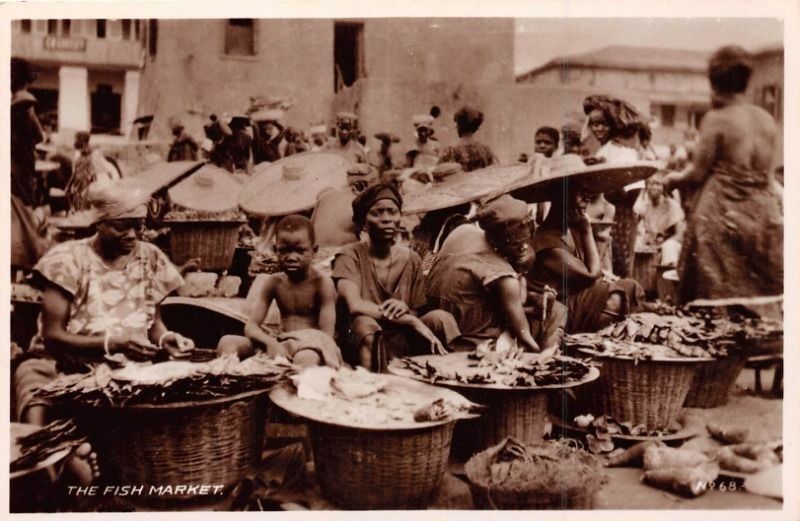
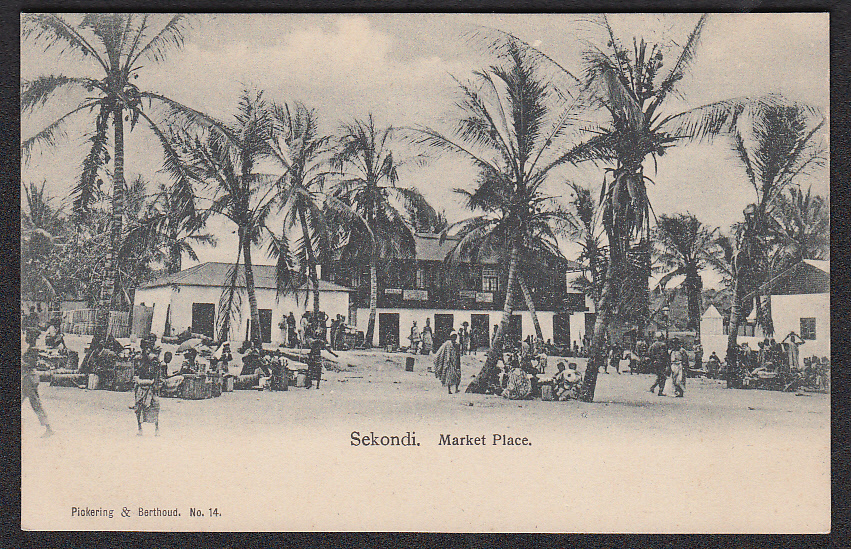
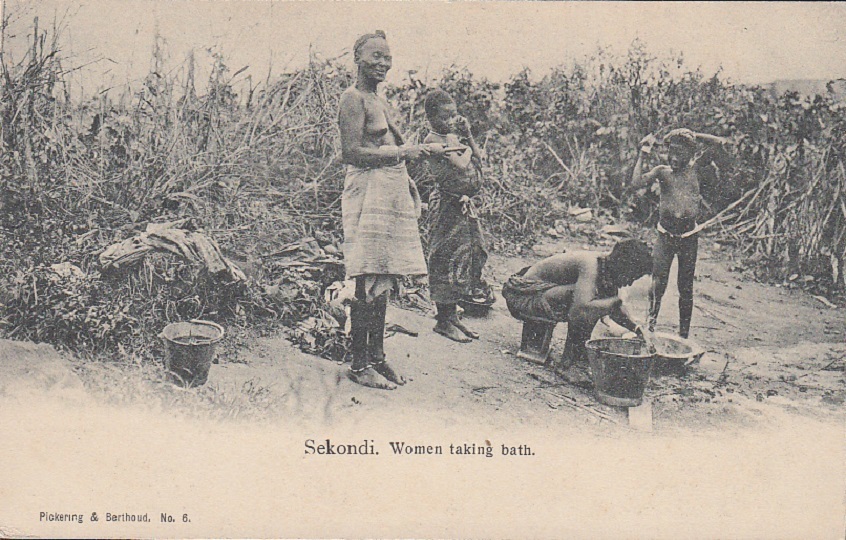
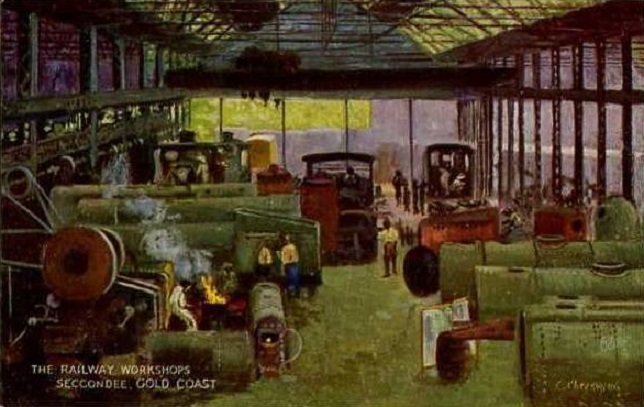
Discover a curated collection of rare photographs and archival images from the days of the Gold Coast, offering a glimpse into the rich and complex past of what is now modern-day Ghana. This selection includes historical photos of Cape Coast, Elmina, and surrounding regions—capturing colonial-era architecture, daily life, cultural traditions, and key historical landmarks.
Whether you're a history enthusiast, researcher, or curious traveler, these images provide a powerful visual narrative of the region’s transformation from the Gold Coast to an independent Ghana. Step back in time and experience the legacy of a land shaped by trade, resilience, and cultural heritage.
Find your roots and rise — Ghana3d.com Gateway Experience 360 is your ultimate guide to cultural, historic, and soul-stirring adventures. Whether you're returning to your ancestral land or exploring Ghana for the first time, we offer curated journeys that connect you deeply to the spirit of West Africa. From powerful walks through Cape Coast & Elmina slave castles to the vibrant rhythms of Accra’s nightlife. From sacred village ceremonies to awe-inspiring natural beauty — your journey starts here.
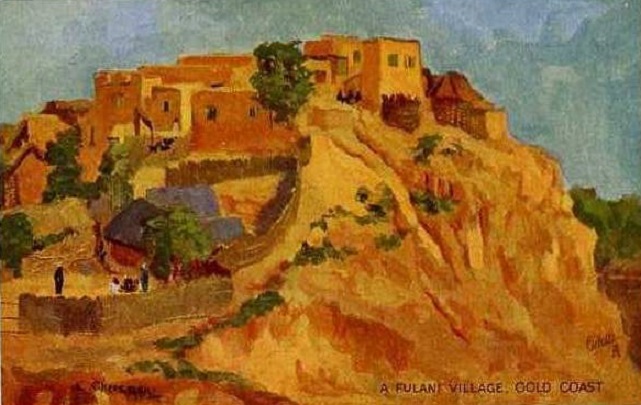
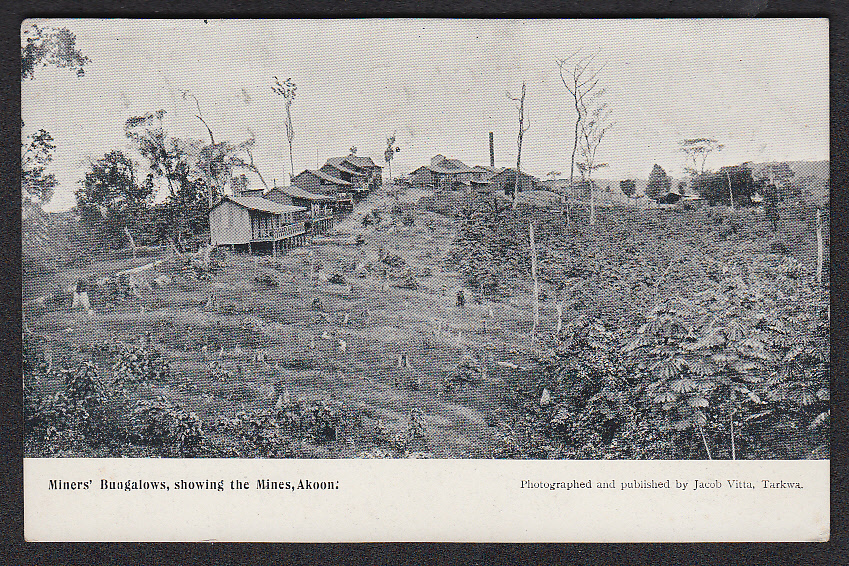
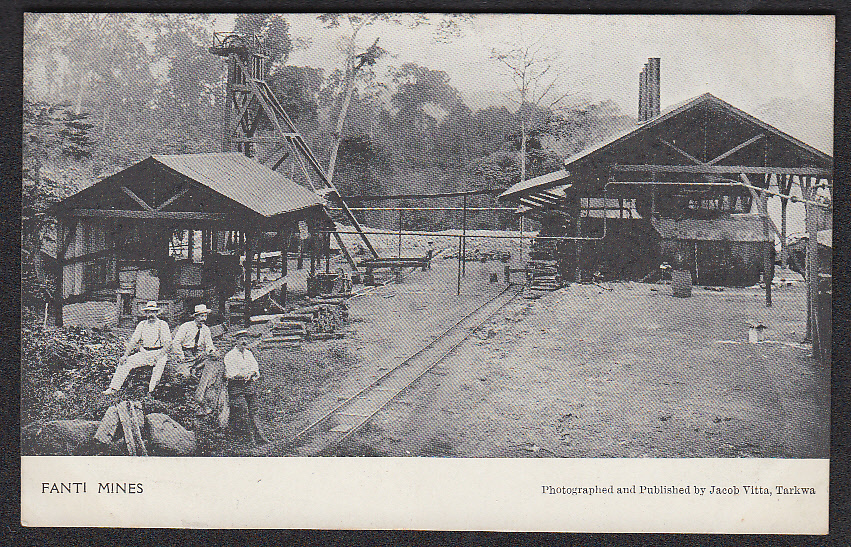
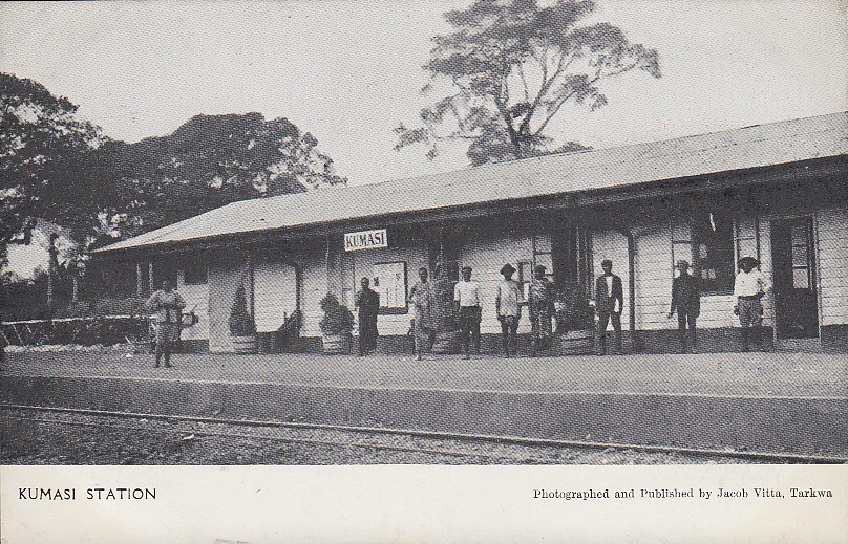
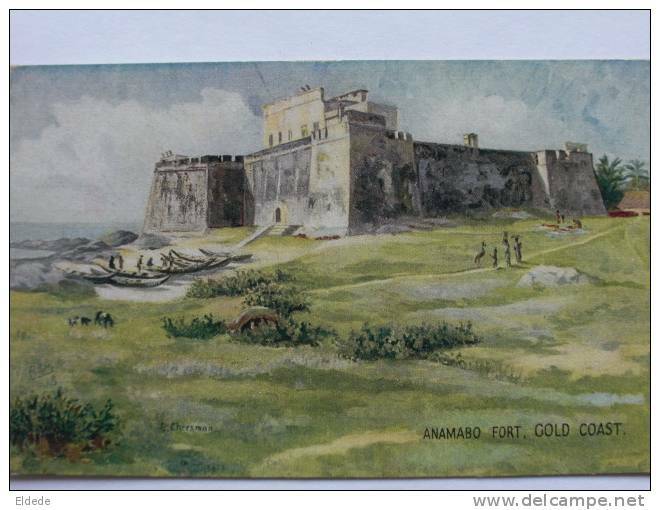
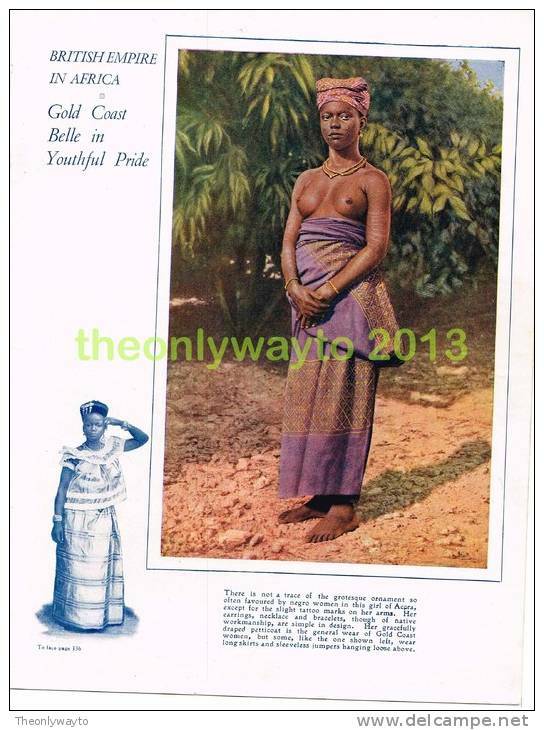
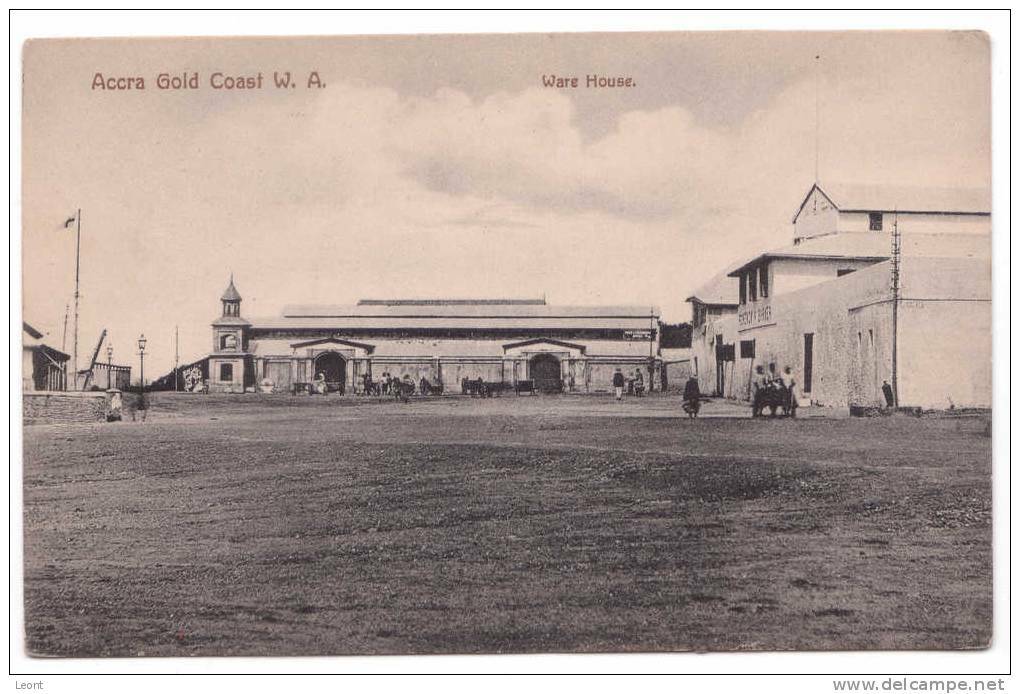
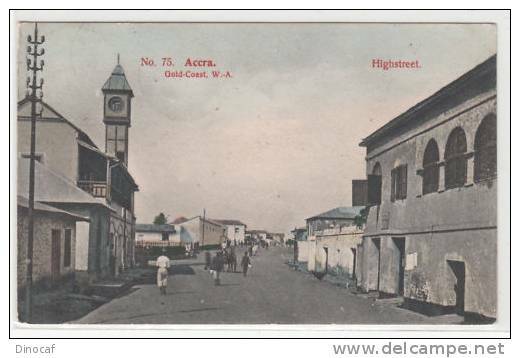
The idea of a British Gold Coast—a colonial territory on the West African coast under British control—developed gradually over the course of the 17th to 19th centuries, rather than being the product of a single individual’s idea. However, several key entities and moments contributed to its creation.
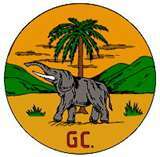
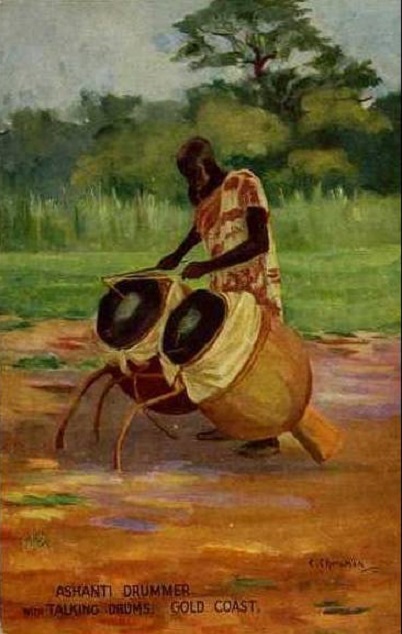
The origins lie with British merchants and especially the Royal African Company, chartered in 1672. Their goal was to trade gold, ivory, and enslaved people along the coast of present-day Ghana. The British established forts such as Cape Coast Castle, which became the administrative center of British operations in the region.
These commercial ventures were motivated by competition with other European powers, including the Portuguese, Dutch, and Danes, all of whom had established coastal forts.
Over time, as private companies declined or failed, the British Crown increasingly took direct control, especially in the 19th century. This shift from private to state rule was solidified when Britain officially annexed coastal areas following treaties with local rulers and rival European powers.
In 1821, British colonial administration formally took over the assets of the African Company of Merchants, marking the beginning of the Crown Colony of the Gold Coast.
By the mid-19th century, the British expanded inland after conflicts with the powerful Asante Empire, culminating in several Anglo-Asante wars.
The Gold Coast officially became a British colony in 1874, after the defeat of the Asante in the Third Anglo-Asante War.
While not the originator of the idea, George Maclean, who served as governor from 1830 to 1844, was instrumental in consolidating British influence. He worked to stabilize the region, negotiate treaties, and extend British power inland, laying much of the groundwork for later colonial expansion.