The Untold Story Behind Ghana’s Independence.
Tour guides often get it wrong. They point to the dank communal pits on the ground floor of Ussher Fort as Kwame Nkrumah’s cell — but the real story climbs higher. This article sets the record straight, using verified sources, on-site photos, and firsthand accounts to reveal where Ghana’s independence fire truly simmered: a solitary upper-floor cell in Ussher Fort.
Date: February 28, 1948
Trigger: A peaceful protest by WWII veterans demanding promised benefits was violently suppressed by colonial police, killing three leaders — Sergeant Adjetey, Corporal Attipoe, and Private Odartey Lamptey, and arresting many others, imprisoning the survivors first at Osu Castle!
Aftermath: Widespread riots erupted across Accra and other towns. Shops were looted, and colonial authority was challenged.
Who: The British colonial government arrested six key nationalist leaders:
Kwame Nkrumah
J.B. Danquah
Edward Akufo-Addo
William Ofori Atta
Ebenezer Ako-Adjei
Emmanuel Obetsebi-Lamptey
Why: They were accused of inciting the riots and threatening colonial stability.
Where: Detained briefly at Fort Ussher, among other locations.
Impact: This arrest catapulted Nkrumah into national prominence, even though he had only recently returned from the UK and USA.
Nkrumah broke away from the more conservative UGCC (United Gold Coast Convention) and founded the Convention People’s Party (CPP) in 1949.
This led directly to the Positive Action campaign in 1950 — which triggered his second and longer imprisonment, the one we’ve been discussing at James Fort and Ussher Fort.
The 1948 arrest was symbolic — it marked Nkrumah’s entry into Ghana’s political battlefield. But the 1950–1951 imprisonment was transformational, giving him time to strategize and emerge as the leader of a mass movement.
Find your roots and rise — Ghana3d.com Gateway Experience 360 is your ultimate guide to cultural, historic, and soul-stirring adventures. Whether you're returning to your ancestral land or exploring Ghana for the first time, we offer curated journeys that connect you deeply to the spirit of West Africa. From powerful walks through Cape Coast & Elmina slave castles to the vibrant rhythms of Accra’s nightlife. From sacred village ceremonies to awe-inspiring natural beauty — your journey starts here.
Phase 1: James Fort (January–February 1950)
Arrested: January 12, 1950, during the Positive Action campaign.
Sentenced: January 22 — three years for sedition and conspiracy.
Held in: Overcrowded communal cells at James Fort.
Conditions: Chaotic, noisy, shared with petty criminals and political agitators.
“I was confined with ten others … one bucket in a corner served as a latrine.” — Kwame Nkrumah, 1957, p. 141
Phase 2: Ussher Fort (February 1950 – February 1951)
Transferred: Early February 1950 to Ussher Fort.
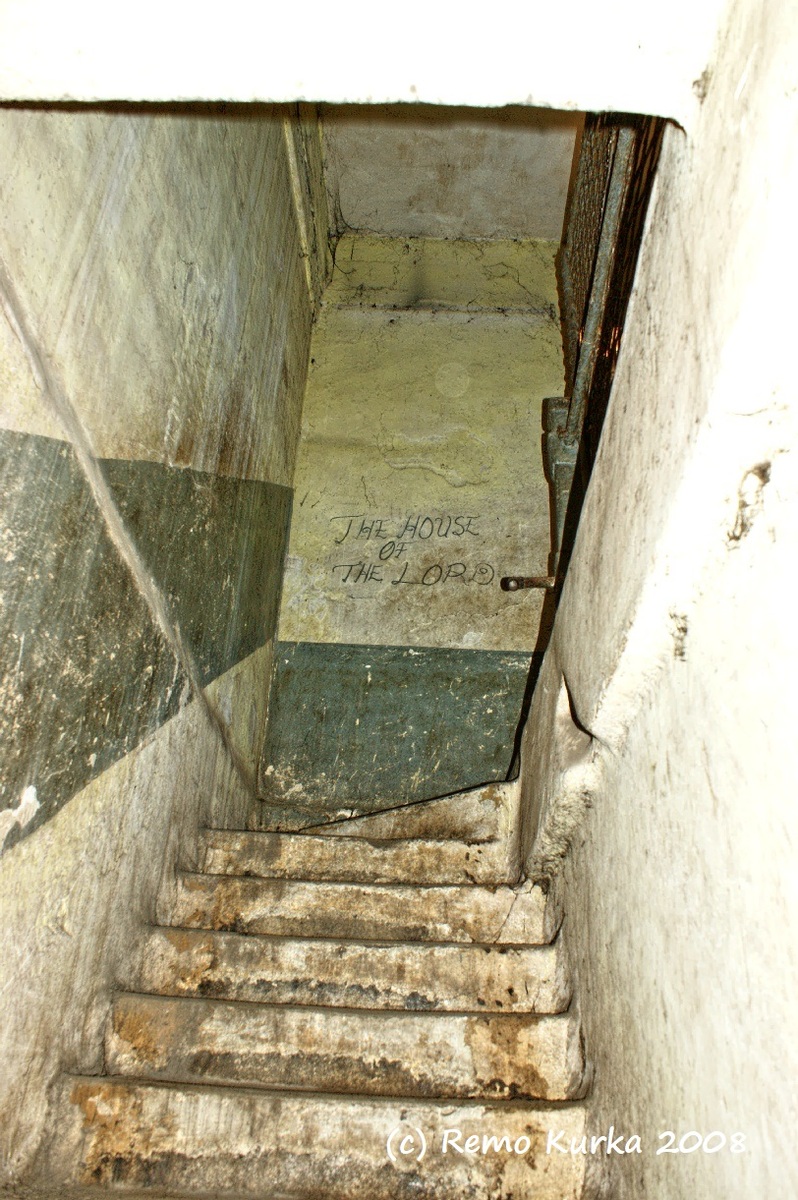
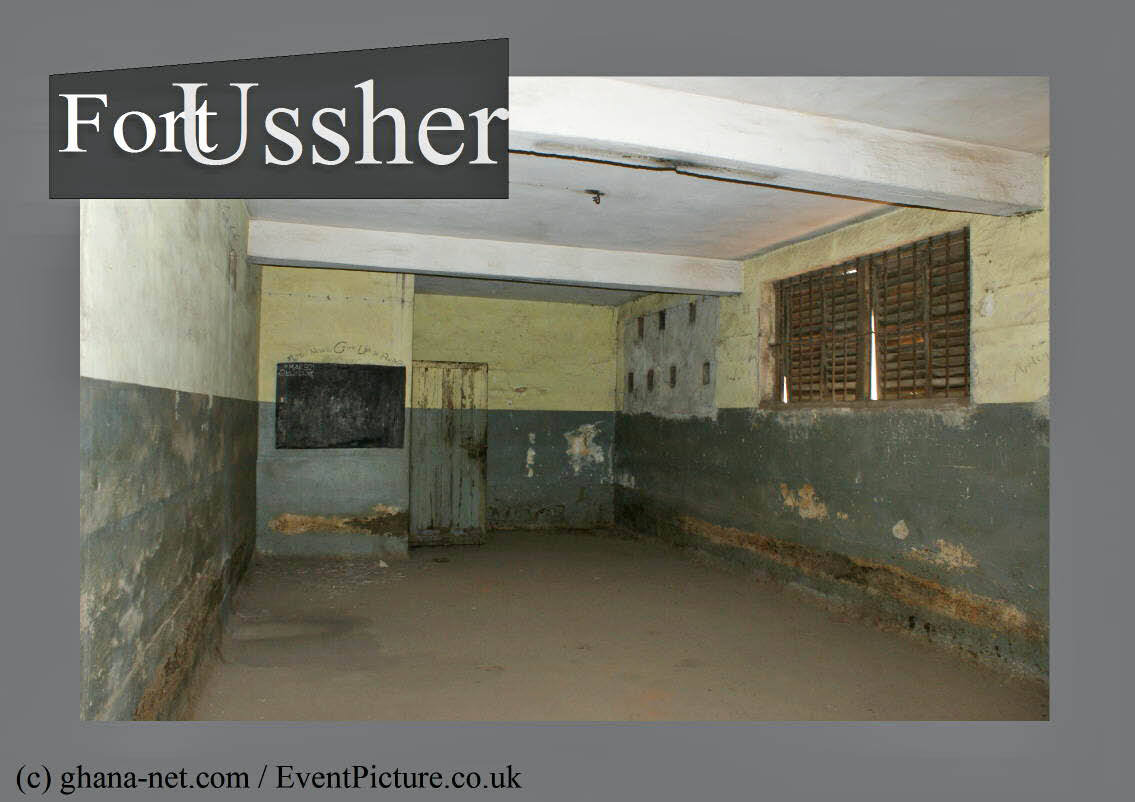
Cell Type: Solitary confinement in an upper-floor cell, accessed by steep stone stairs.
Duration: ~13 months.
Privileges: Allowed to read and write — a critical period for political planning.
“I was confined in a small cell, isolated from other prisoners, and was allowed to read and to write.” — Kwame Nkrumah, 1957, p. 142
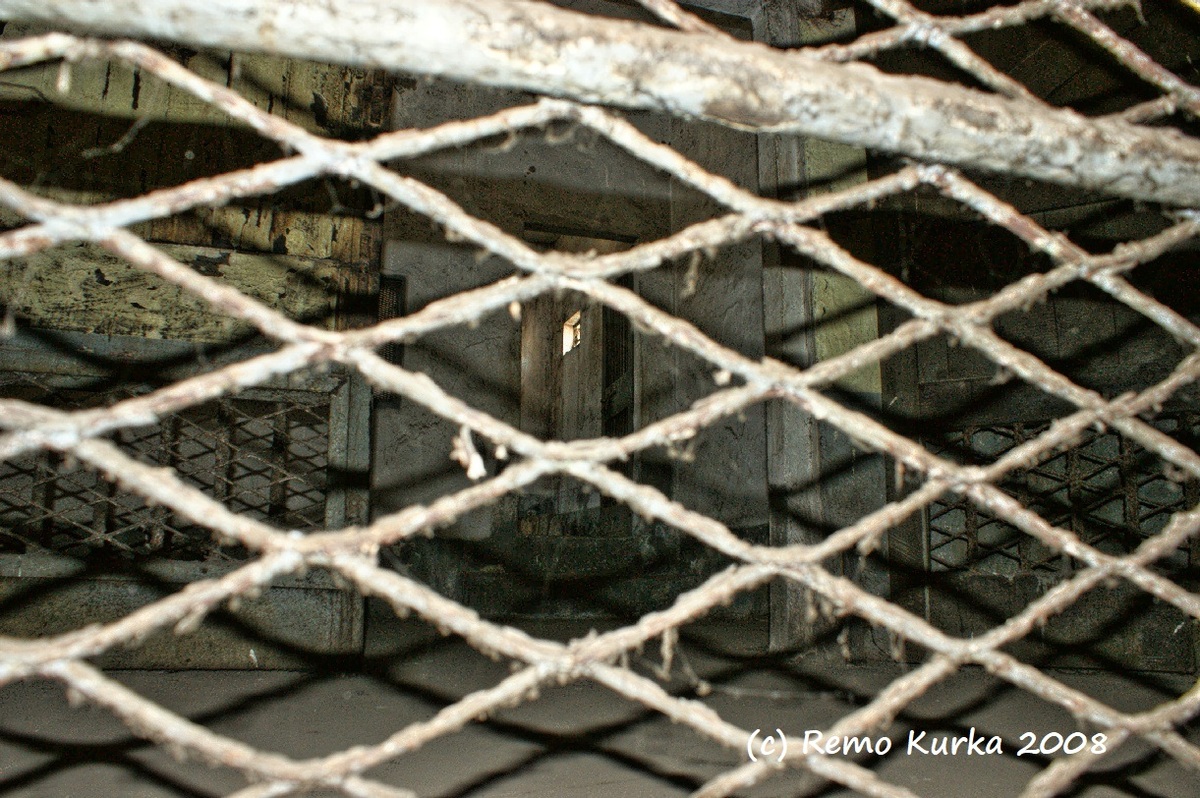
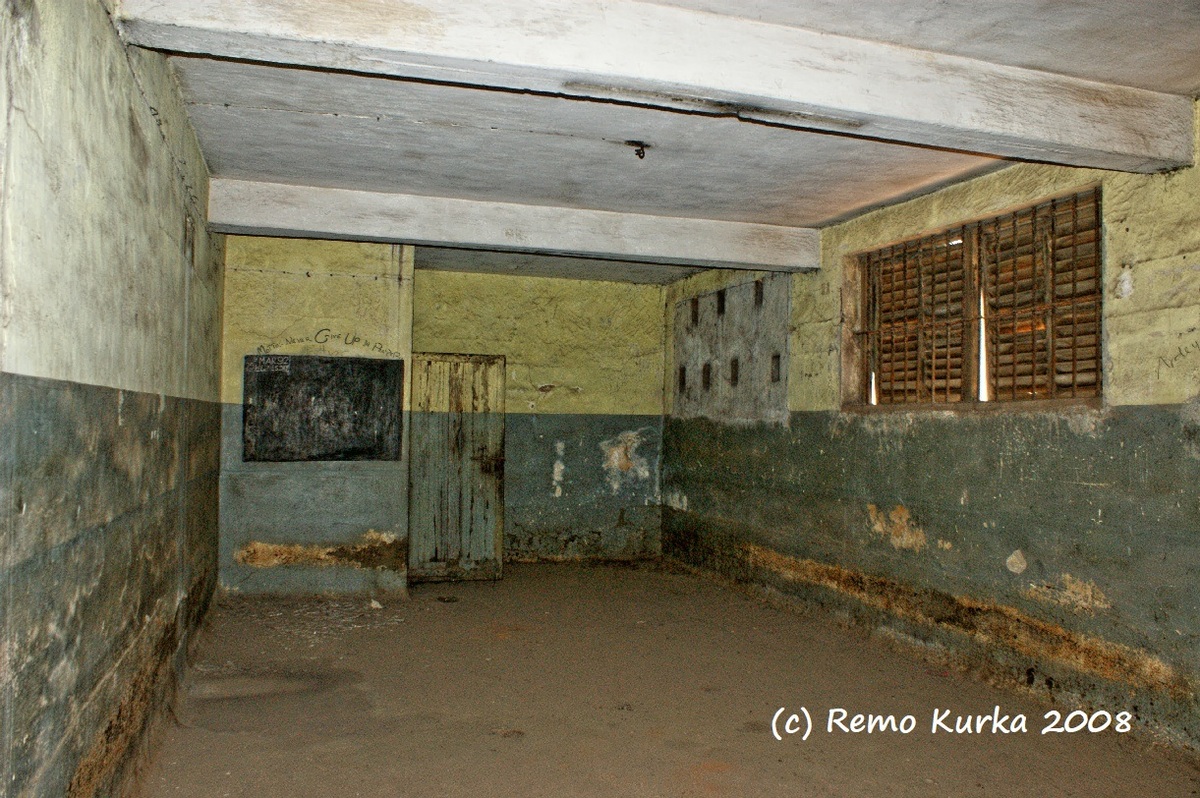
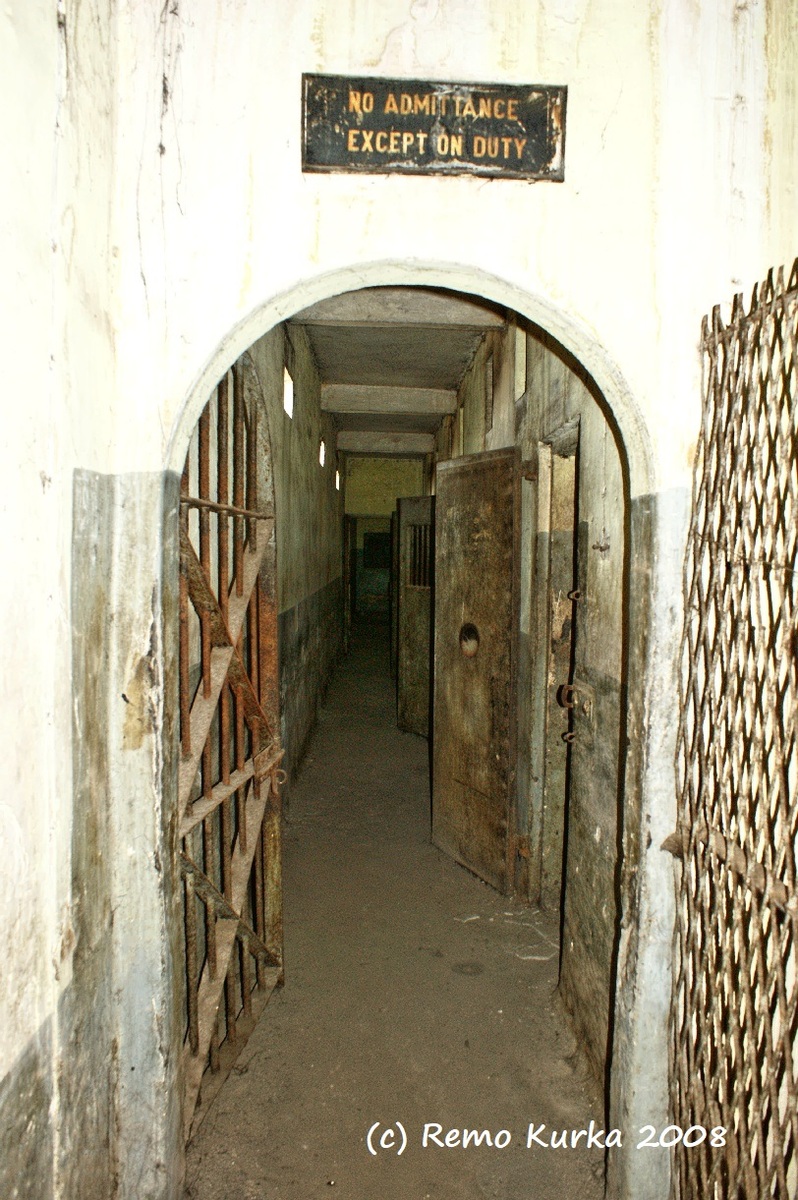
Kwame Nkrumah was here, this is the cell. There is also a small simple toilet (c) Remo Kurka photography
Tour Guide Myth: Many still point to ground-floor pits as Nkrumah’s cell.
Historical Evidence: Colonial prison records and oral histories confirm upper-tier isolation for high-profile detainees.
On-Site Clues: Narrow staircases, barred solitary cells, and restricted access match descriptions from Nkrumah’s own writings.
Colonial Strategy: Isolate Nkrumah to prevent him from organizing fellow inmates.
Symbolic Containment: Ussher Fort’s upper cells were used to suppress influence, not just detain bodies.
Legacy: That cell became a crucible — where Nkrumah’s ideas sharpened and his resolve deepened.
Released: February 12, 1951 — after winning the Accra Central seat while still imprisoned.
Aftermath: Became Leader of Government Business, then Prime Minister, then President. The cell became a symbol of resistance and rebirth.
| Claim | Source |
|---|---|
| Arrested Jan 12, 1950 | Nkrumah, 1957 |
| Held at James Fort (2 weeks) | Nkrumah, 1957 |
| Transferred to Ussher Fort | Birmingham, 1998; GMMB |
| Upper-floor solitary cell | Nkrumah, 1957; PRO Kew CO 96/807 |
| Released Feb 1951 after CPP win | Nkrumah, 1957 |